
Multi-Family Insurance Guide by Socals Best Insurance Services Inc
By Manuel Cuaron, Socals Best Insurance Services Inc
Apartment and multi-family building insurance is a crucial aspect of property management for landlords and commercial property owners. This type of insurance offers comprehensive coverage designed to protect these assets from various risks, ensuring both financial security and peace of mind. In this guide, readers will discover essential insurance options, key considerations for landlords, and potential risks associated with insuring multi-family properties. With the right knowledge and resources, property owners can effectively safeguard their investments. This article covers essential coverage options, focuses on crucial factors landlords must evaluate, and highlights risks inherent in these unique properties. Understanding these elements will enable landlords to navigate the complex landscape of commercial property insurance for landlords with confidence. Get a quote to see coverage options tailored to your property.
Key Takeaways
- Apartment and multi-family building insurance typically combines liability, property damage, and business interruption coverage to protect landlords from injury claims, repair costs, and lost rental income.
- Landlords should evaluate tenant risks, schedule regular property inspections, and identify specialized coverage needs before finalizing a policy.
- Vacant multi-family buildings face elevated risks of vandalism and theft, making vacant building insurance and limited coverage policies important during periods of inactivity.
- Insurance pricing depends on factors like property location, age, condition, size, and tenant demographics — understanding these helps landlords secure a cost-effective landlord insurance policy.
- Cannabis industry properties carry unique regulatory and risk considerations that require insurance professionals familiar with the evolving cannabis market.
- Getting accurate multi-family property insurance quotes means gathering detailed property information, comparing multiple insurers, and consulting experienced brokers.
Comprehensive Guide on Apartment & Multi-Family Building Insurance for Commercial Property Owners
Understanding apartment and multi-family building insurance is essential for any property owner. Such policies provide vital protections against unforeseen events, including natural disasters, theft, and liability claims. The variety of multi-family properties—from duplexes to sprawling apartment complexes—requires tailored insurance solutions that meet specific needs. As the demand for rental housing continues to grow, landlords must comprehend the insurance landscape to make informed decisions. This comprehensive guide will delve into the key elements of apartment and multi-family building insurance to equip landlords with the knowledge needed for effective risk management.
Essential Coverage Options:
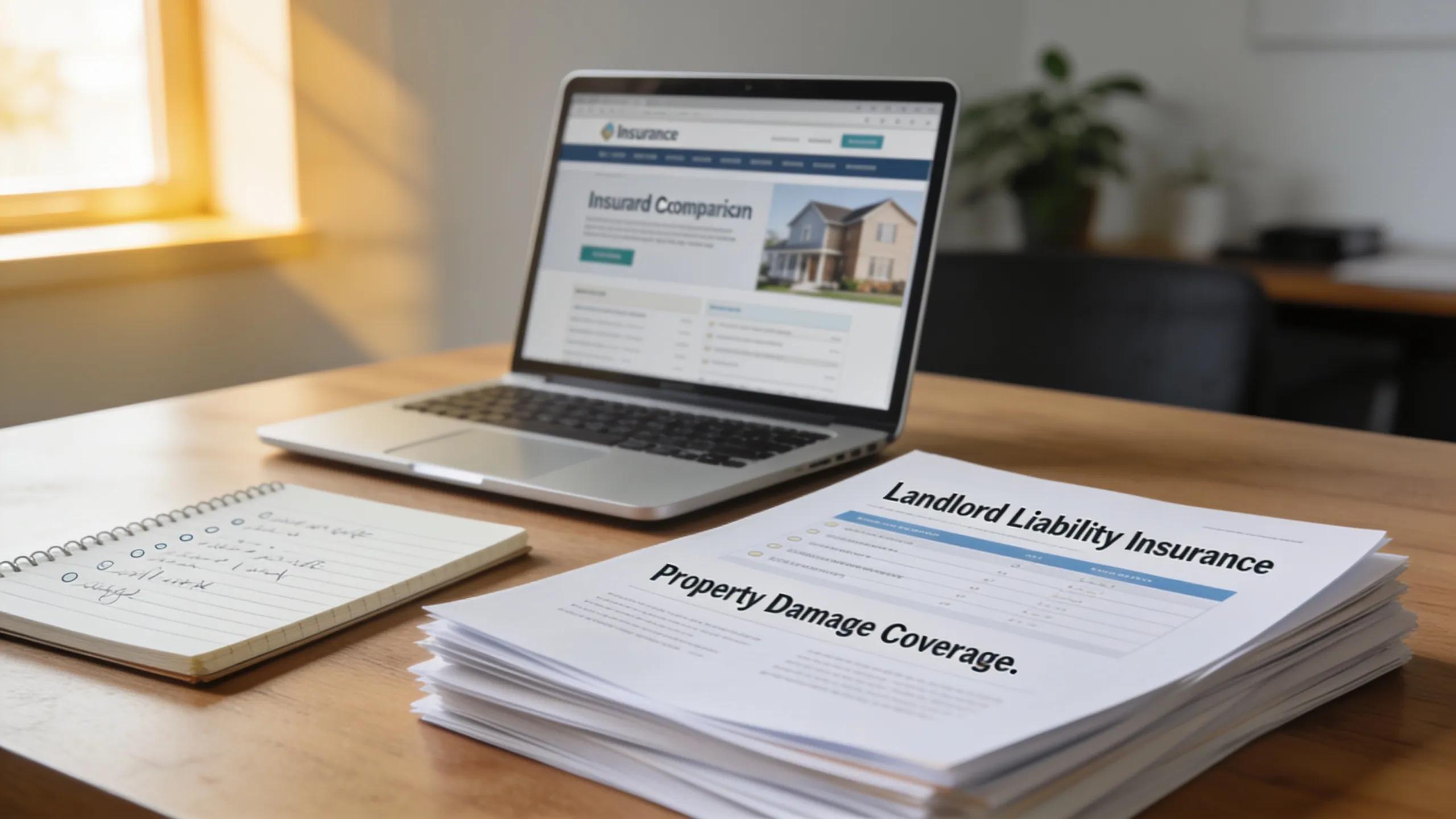
Choosing the right coverage options is paramount for landlords managing multi-family buildings. Various policies are available to address specific risks associated with these properties.
- Liability Insurance: Protects against claims resulting from injuries on the property, ensuring that landlords are financially covered in case of legal disputes.
- Property Damage Coverage: Covers repair or replacement costs for damages caused by perils such as fire, vandalism, or severe weather.
- Business Interruption Insurance: Compensates for lost income due to unforeseen disruptions, allowing landlords to maintain financial stability during challenging times.
Landlords seeking tailored coverage might consider how specialized packages can supplement these essential policies. For example, CRE Insurance specializes in commercial property insurance, including tailored coverage for multi-family and apartment buildings.
Key Considerations for Landlords:
Before acquiring apartment and multi-family building insurance, there are critical considerations landlords should evaluate to ensure they obtain comprehensive coverage suited to their needs.
- Evaluating Tenant Risks: Understanding the demographic and behavior of tenants can inform risk assessments and appropriate insurance needs.
- Regular Property Evaluations: Consistent property inspections help identify potential issues before they escalate into significant claims.
- Specialized Coverage Needs: Certain properties, such as those housing vulnerable populations or unique businesses, may require specific features in their insurance policies.
Considering these aspects allows landlords to mitigate risks effectively and ensure their properties are adequately protected.
Potential Risks Associated with Insuring Multi-Family Properties:
Insurance for multi-family properties comes with its distinct challenges and risks. Recognizing these potential risks is essential for effective property management.
- Liability Risks: Incidents such as slips and falls on the property can lead to costly liability claims, impacting both finances and reputation.
- Property Damage Risks: Multi-family buildings are more susceptible to damage during adverse weather conditions or due to incidents involving multiple tenants.
- Vacancy Risks: Periods of vacancy can negatively affect cash flow and may require additional coverage considerations to protect against lost rent.
By understanding these risks, landlords can better navigate the intricacies of insurance and take proactive steps to minimize potential losses.
What Coverage Options Are Essential for Apartment and Multi-Family Property Insurance?
Essential coverage options for apartment and multi-family property insurance encompass various protective measures tailored for landlords. These include:
- General Liability Insurance: Provides protection from claims arising from injury or property damage occurring on the premises.
- Property Damage Insurance: Covers damages to the physical structures and any attached property due to incidents like fire or flood.
- Extended Dwelling Coverage: Offers additional financial support for extensive repairs not typically covered in standard policies.
These coverage types collectively ensure that landlords are well-equipped to handle common risks associated with operating multi-family properties.
How Does Property Damage and Liability Insurance Protect Landlords?
Property damage and liability insurance work hand-in-hand to provide comprehensive protection for landlords. Property damage insurance covers repair costs related to incidents impacting the physical buildings, while liability insurance protects landlords from lawsuits resulting from injuries occurring on the premises. Combined, these insurance types create a safety net, allowing landlords to operate their businesses without the persistent fear of unexpected financial burdens.
What Specialized Coverage Is Available for Vacant Buildings?
Vacant buildings often require specialized insurance coverage to account for their unique risks. Landlords with properties that are void of tenants should consider:
- Vacant Building Insurance: Specifically designed to cover risks associated with unoccupied properties, accommodating the lack of regular occupancy.
- Liability Insurance for Vacant Properties: Offers protection against potential claims arising during the vacancy period, which can be essential as properties may be more prone to vandalism or theft.
- Limited Coverage Policies: Options that provide tailored coverage limiting exposure while the building remains vacant.
Securing proper insurance for vacant buildings mitigates risks and ensures the property remains protected during periods of inactivity.
How Are Insurance Quotes for Multi-Family Properties Calculated and Customized?
Calculating and customizing multi-family property insurance quotes involves evaluating various risk factors, such as:
- Building Location: Properties in areas prone to natural disasters may have higher premiums due to increased risk.
- Property Age and Condition: Older buildings or those needing significant repairs might lead to higher costs.
- Tenant Demographics: Insurance companies often assess tenant risks based on their reputation and history to adjust quotes accordingly.
This detailed assessment allows insurance providers to offer quotes accurately reflecting the specific risks associated with each multi-family property.
What Factors Influence Pricing for Landlord Insurance Policies?
Pricing for a landlord insurance policy is influenced by several key factors, such as:
- Location: Areas with high crime rates or susceptibility to natural disasters may see increased premiums.
- Property Size and Value: Larger or more valuable properties typically incur higher insurance costs due to the increased potential for significant claims.
- Coverage Amounts and Limits: Higher coverage limits provide greater protection but can also raise policy prices proportionately.
Understanding these factors enables landlords to make informed decisions when choosing appropriate insurance coverage.
How Can Landlords Obtain Accurate Commercial Property Insurance Quotes?
To obtain accurate commercial property insurance quotes, landlords should follow these steps:
- Gather Property Information: Essential details about the property, including location, size, and occupancy history, should be compiled to facilitate accurate assessments.
- Compare Multiple Quotes: Requesting estimates from several insurance companies allows landlords to compare coverage options and prices effectively.
- Consult with Insurance Brokers: Working with brokers familiar with multi-family property insurance can provide insights and potential discounts.
Obtaining multiple quotes ensures landlords secure the best possible coverage tailored to their unique needs.
What Are the Unique Insurance Requirements for Cannabis Industry Multi-Family Properties?
Insuring multi-family properties within the cannabis industry presents unique challenges and requirements. Key considerations include:
- Regulatory Compliance: Properties must meet all local and state laws regarding cannabis operations, influencing insurance needs.
- Specialized Coverage: Standard property insurance may not suffice; additional coverage options specific to cannabis operations may be required.
- Risk Assessment: The specific risks associated with cannabis production, such as theft and legal liabilities, necessitate thorough evaluations.
Landlords must prioritize these unique insurance needs to mitigate risks effectively while navigating the evolving cannabis market.
How Do Regulatory Challenges Impact Cannabis Property Insurance?
Regulatory challenges significantly affect cannabis property insurance, leading to complex insurance needs. As regulations continue to evolve, insurance policies must align with local, state, and federal laws. Failure to comply can result in exorbitant insurance costs or denials of coverage altogether. For landlords operating cannabis-related properties, it’s critical to work with insurance professionals knowledgeable in these laws to secure suitable coverage. This proactive approach will protect both the property and the business from potential legal repercussions.
How Can Landlords Manage Risks and Navigate Claims Effectively?
Managing risks and navigating claims effectively require landlords to employ strategic measures, including:
- Comprehensive Documentation: Keeping thorough records of property conditions and any tenant incidents strengthens claims when necessary.
- Regular Risk Assessments: Periodic evaluations help identify and mitigate potential risks before they escalate into serious claims.
- Clear Communication with Tenants: Establishing transparent lines of communication fosters responsible tenant behavior and may reduce liability risks.
Understanding these strategies equips landlords with the tools needed to handle claims processes efficiently while minimizing potential losses.
What Are Common Risk Management Strategies for Multi-Tenant Buildings?
Effective risk management strategies for multi-tenant buildings often consist of:
- Insurance Coverage Assessment: Regular reviews of existing insurance policies ensure adequate protection against evolving risks.
- Proactive Maintenance Schedules: Implementing routine property maintenance addresses issues before they become significant hazards.
- Tenant Screening Processes: Thorough tenant evaluations can lower the risk of tenant-related disputes or liabilities.
By employing these strategies, landlords can navigate the complexities of multi-tenant property management confidently.
What Does the Claims Process Look Like for Commercial Property Insurance?
The claims process for commercial property insurance typically involves several key steps:
- Incident Report Filing: Landlords must promptly document and report any incidents to their insurance provider.
- Insurance Adjuster Evaluation: An adjuster will review the claim, assess damages, and determine the appropriate compensation.
- Claim Resolution: Once the claim is approved, landlords receive coverage payments to address the identified damages or losses.
Understanding and properly managing this process enables landlords to navigate claims effectively, maintaining financial stability amidst unexpected incidents.
Frequently Asked Questions
What does apartment and multi-family building insurance typically cover?
It typically combines liability insurance, property damage coverage, and business interruption insurance, protecting landlords from injury claims, repair costs from perils like fire or severe weather, and lost rental income during disruptions.
Do vacant multi-family buildings need special insurance?
Yes. Unoccupied properties face higher risks of vandalism and theft, so landlords should look into vacant building insurance, liability coverage for vacant properties, and limited coverage policies designed for periods of inactivity.
What factors affect the cost of landlord insurance policies?
Pricing is influenced by the property’s location, size, age, and condition, along with tenant demographics, coverage amounts, and policy limits. Properties in high-risk areas or with higher-value coverage generally see higher premiums.
How do landlords get an accurate commercial property insurance quote?
Landlords should gather detailed property information (location, size, occupancy history), compare quotes from multiple insurers, and consult with brokers experienced in multi-family and commercial property insurance to identify the best coverage and potential discounts.
What unique insurance considerations apply to cannabis industry properties?
Cannabis-related multi-family properties require coverage that accounts for regulatory compliance, specialized risks like theft and legal liability, and evolving state and local laws — making it important to work with insurance professionals familiar with the cannabis market.
Conclusion
Apartment and multi-family building insurance is a foundational safeguard for landlords and commercial property owners navigating an increasingly complex rental market. From liability and property damage coverage to specialized policies for vacant buildings and cannabis-related properties, the right combination of protections depends on a clear understanding of each property’s unique risks. By evaluating tenant demographics, scheduling regular property assessments, and comparing quotes from experienced insurers, landlords can build coverage that truly matches their exposure. Taking a proactive, informed approach to insurance not only reduces financial risk but also gives property owners the confidence to manage their investments for the long term.