By Manuel Cuaron, Socals Best Insurance Services Inc
Navigating the intricacies of commercial property insurance can be daunting, especially for landlords who must protect their investments. Equipment breakdown coverage vs maintenance exclusions are critical components that every landlord should understand. This article will delve into the nuances of these insurance types, providing you with the necessary insights to make informed decisions that safeguard your properties. By understanding how equipment breakdown coverage operates and the implications of maintenance exclusions — including the mechanical breakdown exclusion — landlords can better manage risks and ensure financial protection. We will explore key topics, including the specific risks associated with commercial properties and how to effectively mitigate these risks. Additionally, we’ll discuss customized solutions available through CRE Insurance that cater specifically to landlords’ needs, helping you choose the right equipment breakdown insurance for landlords managing complex commercial properties.
Executive Key Takeaways for Commercial Landlords
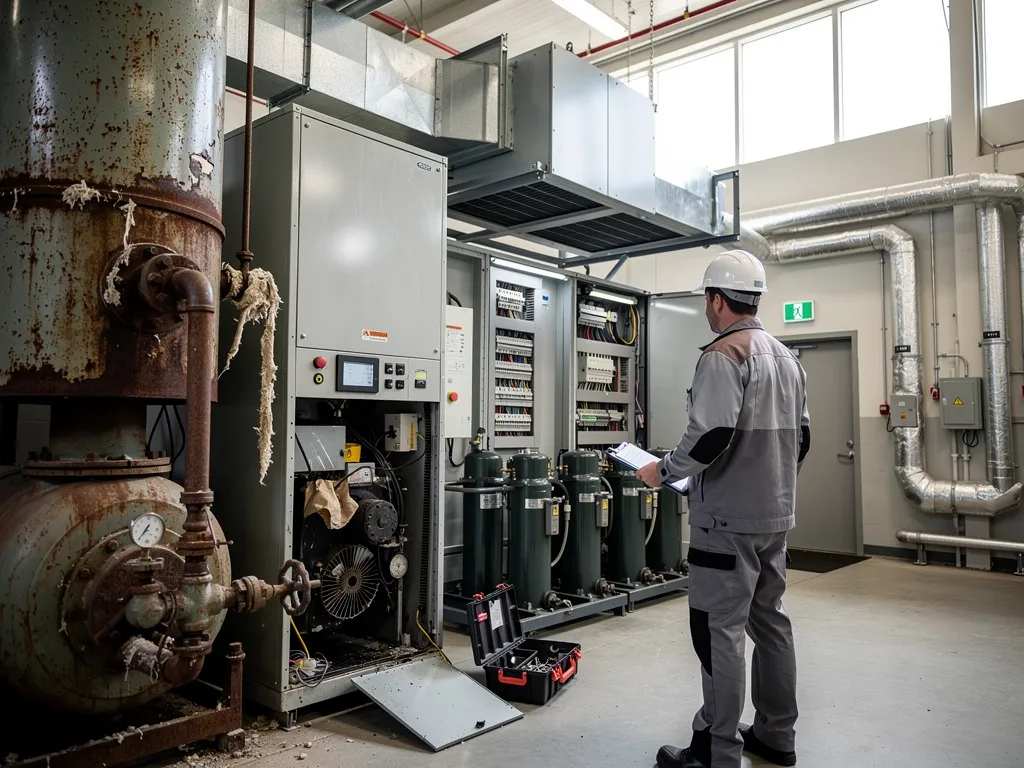
- Sudden & Accidental Mechanical Failure vs. Wear and Tear Exclusions: Equipment breakdown coverage protects against sudden and accidental equipment failure, such as commercial HVAC breakdowns, whereas maintenance exclusions exclude normal wear and tear and neglect-related damages.
- Core Covered Equipment Systems: Typical coverage includes heating and cooling systems, boilers and machinery, electrical equipment, refrigeration systems with spoilage coverage, and other mechanical equipment critical to property operation.
- Consequential Loss & Rent Abatement Risks: Equipment breakdown insurance often covers business income equipment breakdown losses including tenant rent abatement and temporary equipment rentals during repairs, mitigating extensive financial impacts.
- Underwriting Maintenance Log Requirements: Comprehensive HVAC maintenance logs, annual jurisdictional boiler and pressure vessel inspections, infrared thermal imaging audits of electrical switchboards, and adherence to preventive maintenance protocols are essential to prevent claim denials from mechanical breakdown exclusions.
Breakdown vs. Maintenance: Socals Best Insurance Services Inc
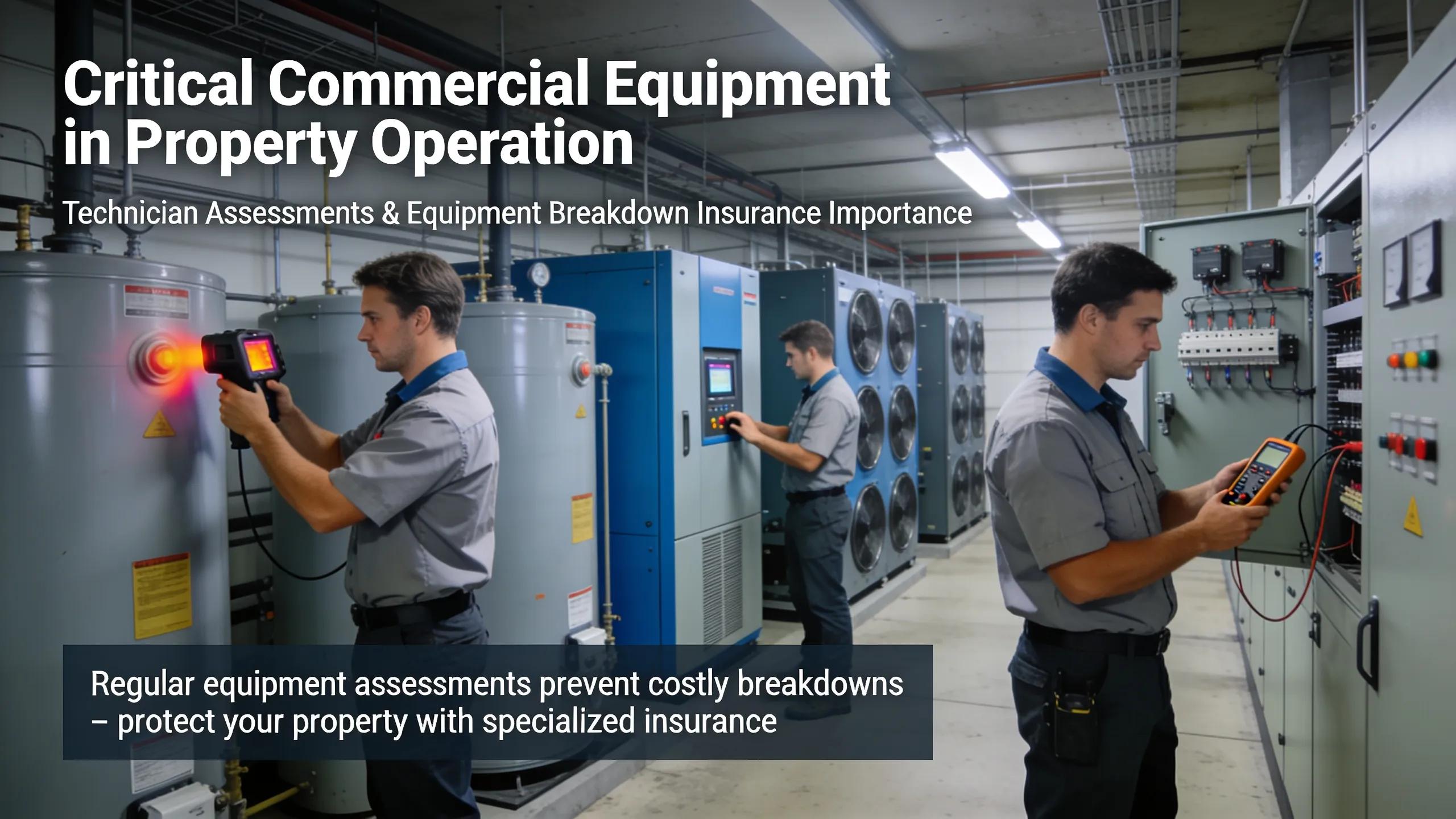
Commercial property equipment breakdown insurance refers to a specific type of coverage that protects landlords against loss from the sudden and accidental breakdown of equipment essential to a property’s operation. This kind of insurance provides crucial financial support by covering repair costs and losses incurred during equipment failures. For landlords, protection against sudden and accidental equipment failure is vital as equipment failure and commercial HVAC breakdowns can lead to substantial operational disruption and financial strain. By having coverage in place, landlords can quickly restore functionality, minimizing downtime, and consequential business income equipment breakdown losses, including lost rent.
Which Commercial Equipment Does This Insurance Cover?
This insurance typically covers a range of commercial equipment, which can include:
- Heating and Cooling Systems: Essential for tenant comfort and safety, including commercial HVAC breakdown coverage and refrigeration spoilage coverage.
- Boilers and Machinery: Integral to operations, especially in manufacturing or multi-tenant commercial properties.
- Electrical Equipment: Vital for various operational tasks, making this coverage indispensable to avoid costly mechanical breakdown exclusion disputes.
Understanding the scope of commercial property equipment breakdown insurance can help landlords evaluate their policies and ensure they are adequately protected against various risks.
Catastrophic Claim Scenario: $200,000 Chiller Compressor Electrical Burnout Case Study
Consider a multi-family property experiencing sudden electrical arcing and compressor burnout in a 100-ton central chiller during a 100°F heatwave. The breakdown of expenses is as follows:
- Emergency chiller compressor replacement & crane rigging: $120,000
- Temporary rental chiller mobilization, ducting, and power generator: $45,000
- Tenant rent abatement and habitability lease concessions: $35,000
Total gross loss = $200,000
Why Is This Coverage Crucial for Multi-Tenant and Vacant Commercial Properties?
Equipment breakdown coverage is particularly crucial for multi-tenant and vacant commercial properties. These types of buildings face unique risks, such as:
- Increased Wear and Tear: Higher usage by tenants can lead to more frequent equipment failures if not properly maintained, increasing risk of mechanical breakdown exclusion claims.
- Safety Concerns: A breakdown could result in unsafe conditions for occupants and visitors.
- Revenue Loss: Vacant properties may accumulate losses quicker when equipment issues arise, as they can deter prospective tenants and lead to rent abatement claims.
Landlords must recognize these specific risks to make informed insurance decisions and obtain sufficient commercial property equipment breakdown insurance coverage that protects their interests.
How Do Maintenance Exclusions Impact Commercial Property Insurance Claims?
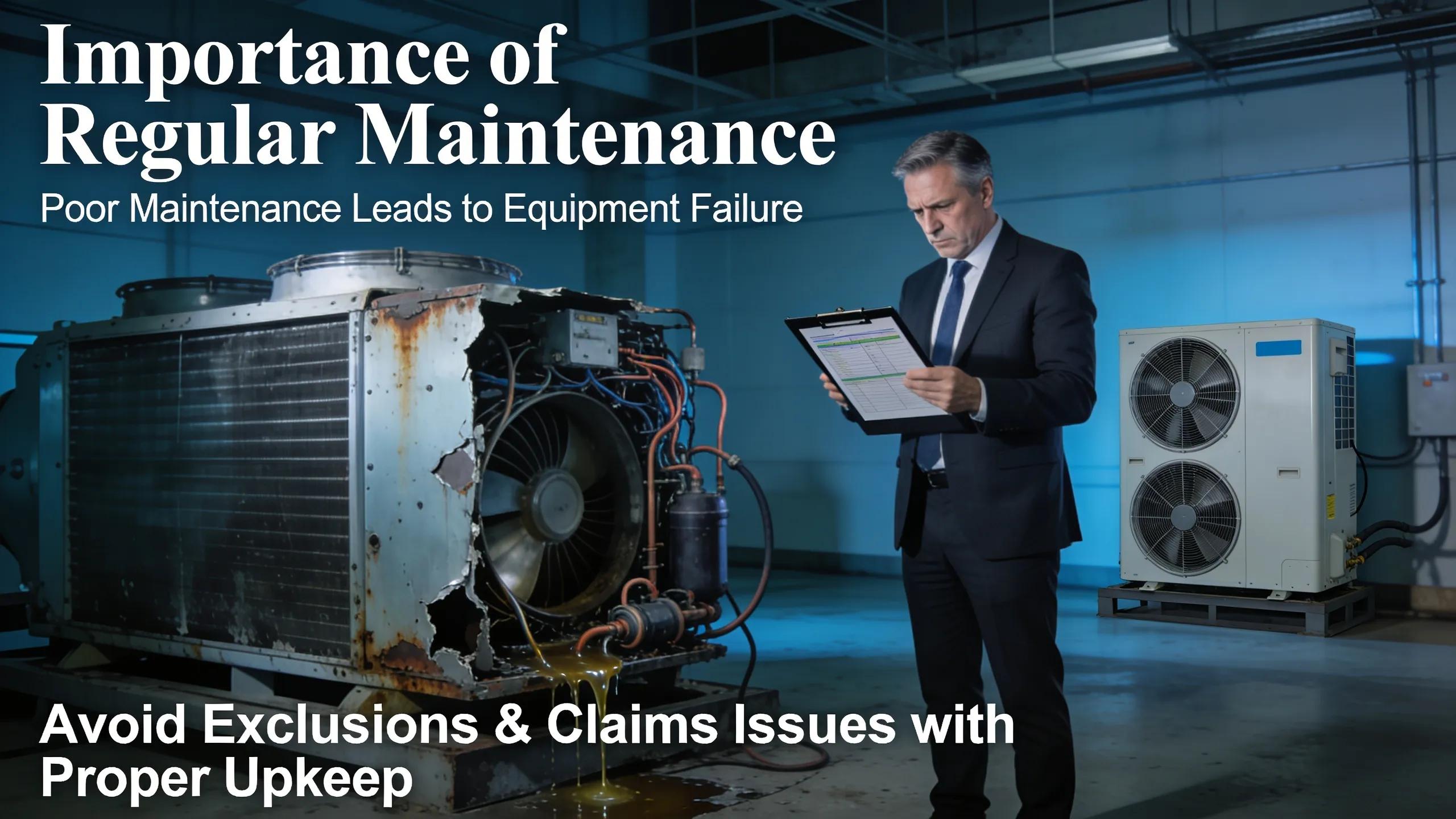
Maintenance exclusions can significantly affect the claims process for landlords. These mechanical breakdown exclusions refer to specific types of damage not covered under a standard maintenance or commercial property insurance policy, leading to potential out-of-pocket expenses for property owners. Recognizing these nuances is critical for effective financial planning and to ensure claims of sudden and accidental equipment failure are appropriately processed.
What Damage Is Typically Excluded Under Maintenance Clauses?
Common types of damage excluded under maintenance clauses include:
- Wear and Tear: Normal degradation of property over time is often deemed a maintenance issue.
- Neglect: Damage resulting from inadequate maintenance may not be covered, putting the onus on landlords to prevent losses through compliance and documentation.
- Pest-Related Damages: Infestations due to neglect or lack of proper maintenance procedures usually fall outside standard coverage.
Understanding these exclusions can help landlords implement proactive maintenance strategies to minimize risk and ensure their commercial property equipment breakdown insurance claims are not denied due to wear and tear or neglect.
How Can Landlords Mitigate Risks Not Covered by Maintenance Policies?
To address risks not covered by maintenance policies, landlords can adopt several proactive measures to align with underwriting requirements and protect against claim denials:
- Regular Evaluations: Conduct routine inspections to identify and remedy potential issues before they escalate, especially focusing on critical equipment subject to commercial HVAC breakdowns.
- Enhanced Security Measures: Improving security can reduce the likelihood of vandalism or theft, which could lead to equipment breakdowns and consequential business income equipment breakdown losses.
- Educating Tenants on Maintenance Best Practices: Ensuring tenants are aware of maintenance expectations can help in minimizing risk and fostering better property care.
Expanded Preventive Maintenance Compliance Essentials
- Annual Jurisdictional Boiler and Pressure Vessel Inspections and Certifications: Ensure strict compliance with local codes by maintaining up-to-date certifications to avoid mechanical breakdown exclusions.
- Infrared Thermal Imaging Audits: Regular thermal scans of electrical switchboards and distribution panels help detect overheating or faults before failure occurs.
- Comprehensive HVAC Maintenance Logs: Detailed records of all inspections, repairs, and routine maintenance activities are critical documentation for underwriters and claim validation.
Proactive preventive maintenance not only extends equipment life but also supports smooth claim processes by demonstrating due diligence.
What Specific Benefits Does Boiler and Machinery Insurance Offer Landlords?
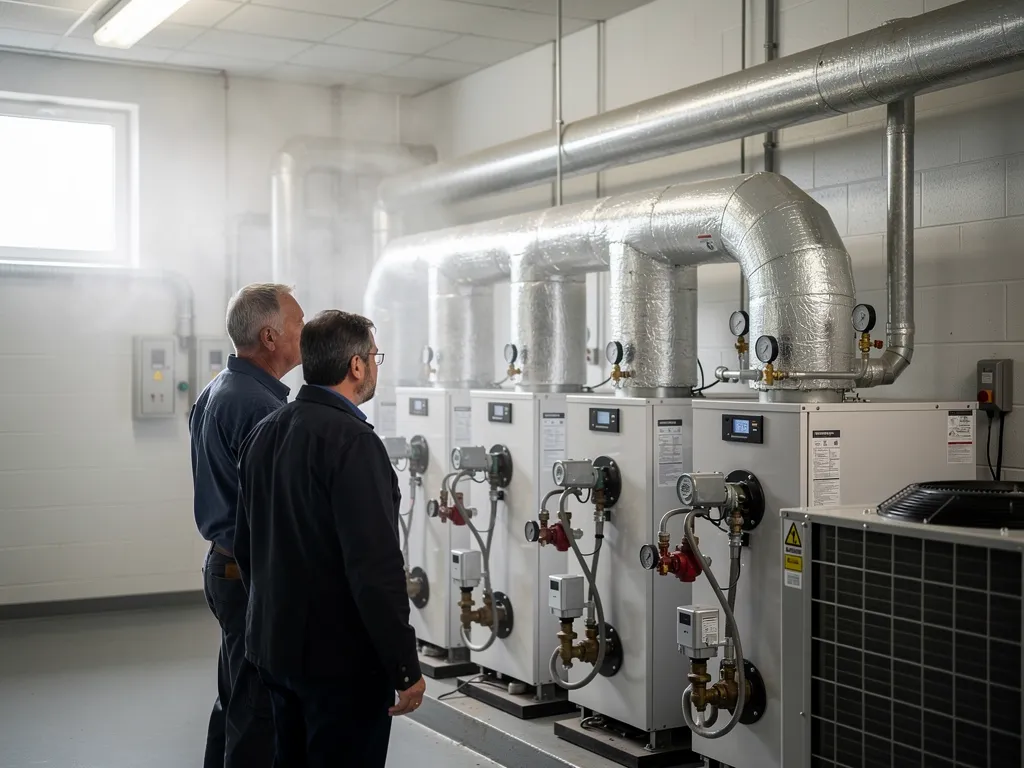
Boiler and machinery insurance for landlords provides specialized coverage that addresses unique risks associated with both mechanical and heating systems vital to building operations. This type of insurance is essential for landlords operating properties with complex machinery or heating systems and helps bridge gaps left by standard commercial property insurance mechanical breakdown exclusions.
How Does This Coverage Reduce Down-Time and Financial Loss?
Having boiler and machinery insurance can significantly reduce potential downtime and financial losses for landlords. This coverage often includes not just the repair costs but also loss of business income equipment breakdown coverage during the repair period, ensuring that landlords are not financially crippled by unforeseen breakdowns.
What Are Key Policy Features Tailored for Cannabis Industry Properties?
For landlords involved in the cannabis industry, specialized insurance solutions are available. Key features include:
- Coverage for Specialized Equipment: Since cannabis operations often rely on unique machinery, tailored policies are essential for comprehensive commercial property equipment breakdown insurance.
- Loss of Income Protection: Given the high value of cannabis products, policies can include protection against business income equipment breakdown losses during equipment repairs or replacements.
- Compliance Considerations: Coverage designed for the cannabis sector acknowledges and includes regulatory compliance requirements that standard policies may overlook.
Such tailored benefits exemplify the importance of choosing the right insurance provider, which can have a significant impact on operational resilience.
How Can CRE Insurance Provide Customized Landlord Equipment Breakdown Solutions?
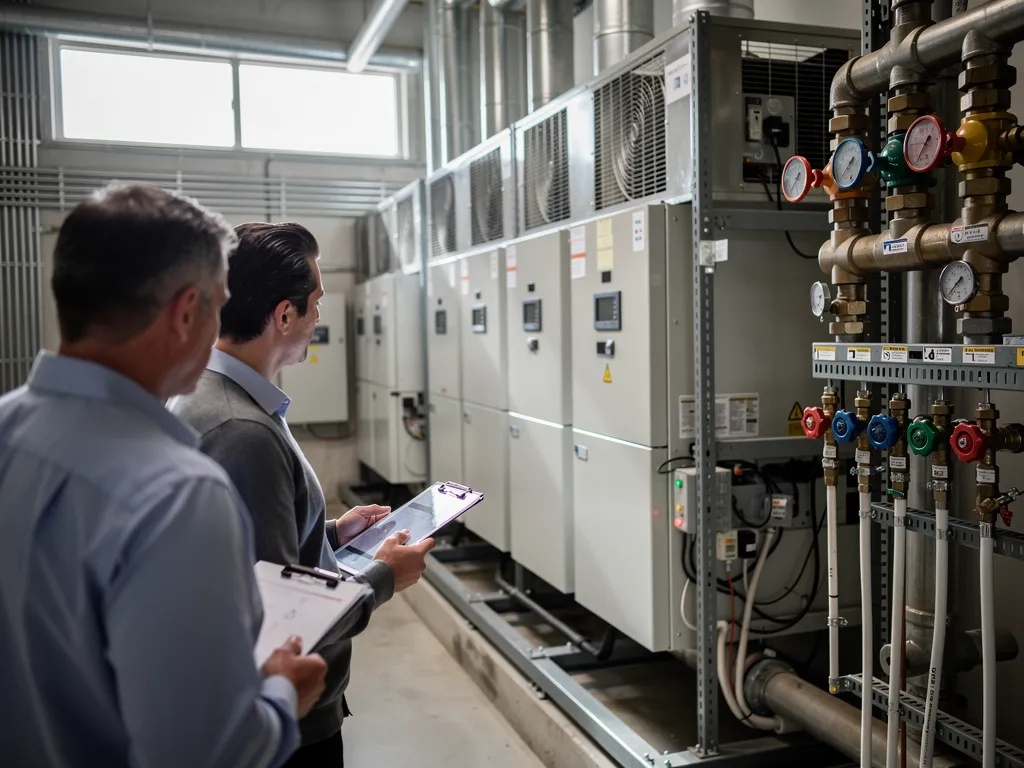
CRE Insurance specializes in creating customized insurance solutions tailored to the unique needs of landlords. Understanding that every landlord’s situation is different, they offer personalized assessments to determine the optimal coverage mix, focusing on equipment breakdown coverage vs maintenance exclusions and related underwriting requirements to best serve commercial landlords.
What Steps Are Involved in Obtaining a Tailored Commercial Property Quote?
To acquire a tailored quote from CRE Insurance, landlords should follow these steps:
- Contact CRE Insurance: Reach out to discuss your specific needs and property details.
- Provide Comprehensive Information: Be ready to provide details about the property type, equipment specifics, maintenance records, and previous claims history.
- Review Policy Options Thoroughly: Once a tailored quote is generated, landlords should carefully review options to ensure adequate commercial property equipment breakdown insurance coverage is in place.
Following these steps can lead to a comprehensive insurance solution that meets individual landlord requirements and effectively addresses both equipment breakdown coverage and maintenance exclusions.
Why Choose CRE Insurance for Expert Equipment Breakdown Coverage?
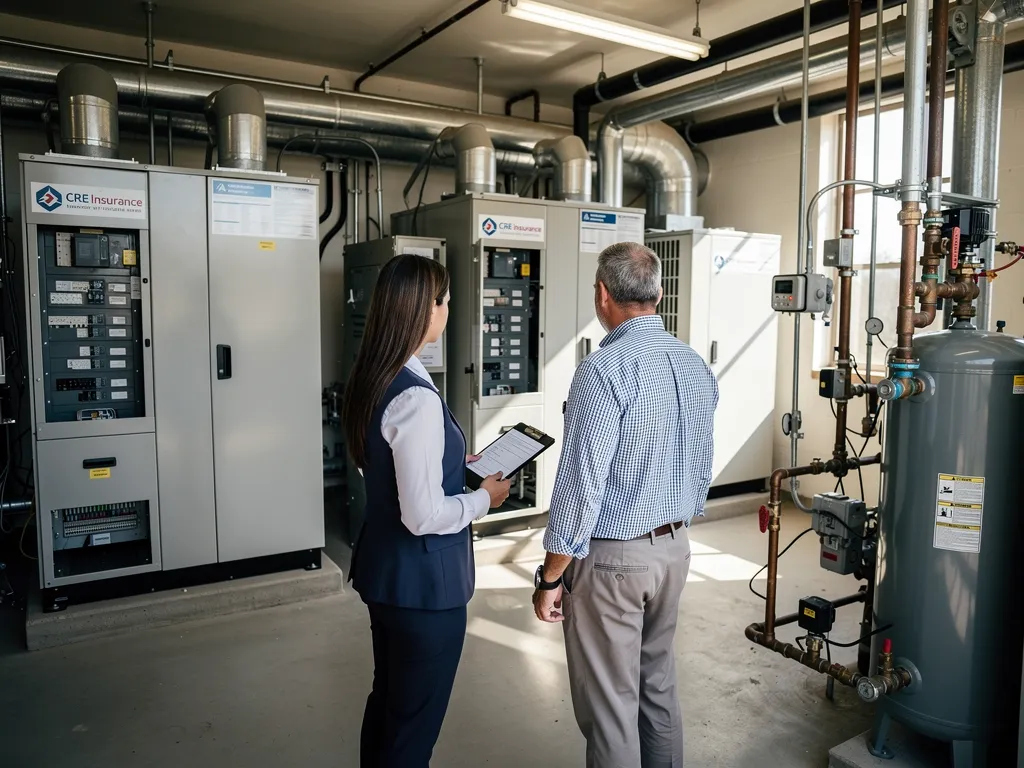
Choosing CRE Insurance for equipment breakdown coverage offers multiple differentiators that stand out in the market. Their expertise in property insurance, especially regarding the complexities involved in equipment breakdown and mechanical breakdown exclusion issues, ensures landlords receive superior guidance and protection.
The specialized knowledge that CRE Insurance provides and the tailored solutions they offer are crucial in effectively managing risks associated with commercial properties. By prioritizing comprehensive commercial property equipment breakdown insurance coverage, landlords can protect their investments and maintain operational continuity.
Frequently Asked Questions
What is the difference between equipment breakdown coverage and maintenance exclusions?
Equipment breakdown coverage protects landlords against sudden and accidental mechanical or electrical failures, such as a chiller compressor burnout or an HVAC system failure. Maintenance exclusions, by contrast, exclude damage caused by normal wear and tear, neglect, or lack of routine upkeep. A standard commercial property policy typically denies claims tied to mechanical breakdown, which is why a dedicated equipment breakdown endorsement or boiler and machinery policy is essential.
What types of equipment does commercial property equipment breakdown insurance typically cover?
Coverage generally extends to heating and cooling systems (including commercial HVAC), boilers and machinery, electrical equipment, and refrigeration systems with spoilage protection. These are the core mechanical systems that keep a commercial property operational, and their sudden failure can trigger major repair costs and tenant disruption.
Can equipment breakdown insurance cover lost rent or tenant rent abatement?
Yes. Many equipment breakdown policies include consequential loss protection, which can cover business income losses tied to an equipment failure, including tenant rent abatement and the cost of temporary equipment rentals while repairs are underway.
How can landlords avoid having a claim denied under a mechanical breakdown exclusion?
Insurers expect documented proof of preventive maintenance. Keeping comprehensive HVAC maintenance logs, completing annual jurisdictional boiler and pressure vessel inspections, and conducting infrared thermal imaging audits of electrical switchboards all help demonstrate due diligence and reduce the risk of a claim being denied for wear, tear, or neglect.
Is equipment breakdown coverage important for vacant or multi-tenant commercial properties?
Yes, and often even more so. Multi-tenant properties see heavier equipment usage and faster wear, while vacant properties can accumulate losses quickly since an equipment failure may deter prospective tenants. Both scenarios raise the risk of a costly, uncovered breakdown without the right endorsement in place.