

By Manuel Cuaron, Socals Best Insurance Services Inc
When it comes to protecting multi-family landlords from various liabilities, understanding the differences between “Commercial General Liability” (CGL) and Commercial Umbrella Insurance is crucial. These two types of insurance serve distinct functions, each with their specific coverage and benefits. This article aims to clarify the intricacies of both policies, helping landlords navigate the complexities of liability insurance in a way that ensures adequate protection for their properties and finances. Multi-family property owners often face numerous risks, from tenant injuries to property damage, making comprehensive insurance coverage essential.
This discussion will cover key aspects such as the definitions and benefits of CGL and Umbrella Insurance, the specific coverage details, policy limits, exclusions, and the typical scenarios in which these policies are applied. Additionally, we’ll explore when a landlord should consider adding “umbrella insurance” and how to obtain comprehensive quotes for these essential policies.
Commercial General Liability (CGL) Insurance:
Commercial General Liability (CGL) Insurance is a vital form of landlord liability coverage, protecting property owners from legal and financial liabilities arising from various incidents related to their properties. This type of insurance typically covers bodily injury, personal injury, and property damage claims made against the landlord. CGL insurance is designed to safeguard landlords from the costs associated with lawsuits, as well as settlements or judgments that may arise due to claims lodged by tenants, visitors, or other third parties.
Landlords benefit from having CGL insurance as it provides peace of mind knowing that they are financially protected from unforeseen incidents that could lead to significant legal expenses. In many cases, having a robust CGL policy is a prerequisite for property management and can enhance a landlord’s credibility and professionalism within the real estate market.
Commercial Umbrella Insurance:

Commercial Umbrella Insurance is an additional layer of protection that complements CGL insurance. It provides higher liability limits and broader coverage for claims that exceed the limits of standard CGL policies. This type of insurance is particularly beneficial for landlords managing multi-family properties, as it addresses gaps in coverage and offers enhanced financial security.
By securing umbrella insurance, landlords can protect their assets from higher-level liability claims resulting from incidents such as severe personal injuries on their property or substantial property damage leading to significant legal liabilities. Umbrella insurance also strengthens a landlord’s broader risk management strategy by adding a further layer of financial protection.
Coverage Specifics
Both CGL and Umbrella Insurance have specific coverage components vital for landlords. CGL coverage includes protection against claims for bodily injury and property damage, which may occur in the course of regular property management activities. Injuries sustained by tenants or visitors on the premises are typically covered under CGL policies.
On the other hand, Umbrella Insurance extends this coverage by including additional liabilities that may not be covered under standard CGL policies, such as certain types of lawsuits or claims that happen internationally. This makes umbrella products indispensable for landlords who engage in various high-risk activities or manage numerous units.
Limits
Policy limits are another critical aspect of both insurance types. A standard CGL policy may have specific limits for bodily injury and property damage, often ranging from $1 million to $2 million. These limits dictate the maximum amount that the insurance will cover in the event of a claim.
In contrast, Umbrella Insurance provides higher limits beyond these standard thresholds, allowing landlords to protect themselves from catastrophic losses. Many umbrella policies start at an additional $1 million and can extend far beyond that, offering significant financial backing during more severe incidents.
Exclusions
Understanding the exclusions of both insurance types is essential as well. Common exclusions in CGL policies include intentional acts, professional services, and certain environmental claims. Similarly, while umbrella insurance provides extensive coverage, it still has limitations, including exclusions for occurring claims at specific units or properties not qualified under the policy.
It’s crucial for landlords to review the specifics of their policies carefully to ensure they have adequate coverage for their unique circumstances.
CGL vs. Umbrella Insurance: Socals Best Insurance Services Inc
Landlords often experience various claims that highlight the importance of both CGL and Umbrella Insurance. For instance, an injury sustained by a tenant while in a common area may trigger a CGL claim for bodily damage. Additionally, if the damages exceed the CGL limit due to extensive medical costs or litigation expenses, the umbrella policy would then come into play, covering the balances and offering further protection.
Understanding these scenarios can guide landlords in selecting the correct coverage options and ensuring that they are well-prepared for future incidents.
Comparison with Commercial Umbrella Insurance
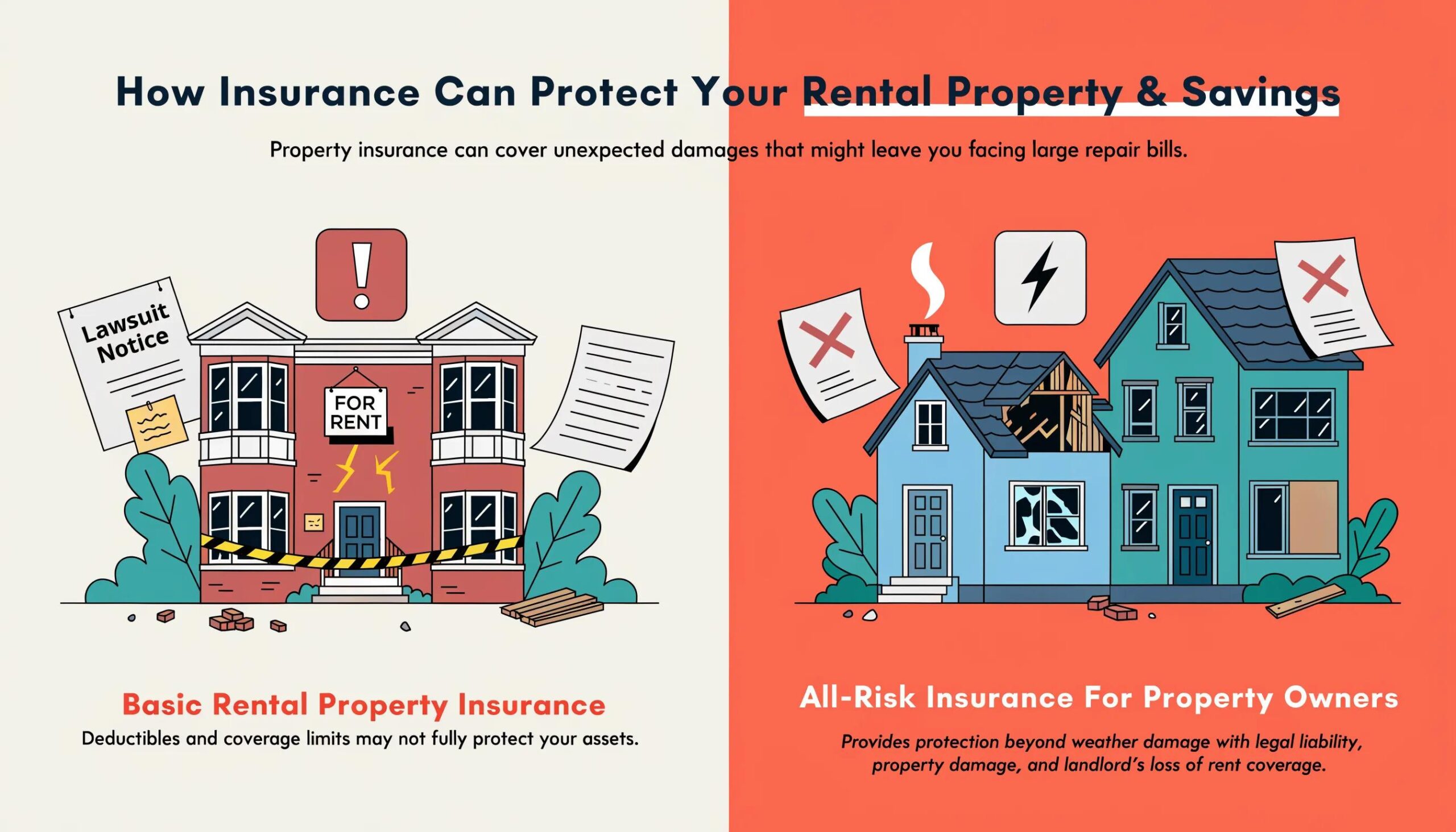
When weighing CGL vs umbrella insurance, it is essential to recognize the distinctions in coverage effectiveness. While CGL provides foundational protection against many common liabilities, Umbrella Insurance is a supplementary layer that adds security against larger claims, covering situations that go beyond CGL limits as well as more niche exposures.
Landlords must evaluate their property management practices, the number of units they handle, and the inherent risks associated with their specific locations to determine which combination of coverage meets their needs.
What is Commercial General Liability Insurance for Multi-Family Landlords?
When specifically catering to multi-family landlords, Commercial General Liability Insurance encompasses various liabilities tailored to the unique challenges they face. This includes not only tenant injuries but also scenarios such as slip and fall accidents in shared spaces, maintaining the premises, and addressing fire or flood-based damages to the property.
Landlords in multi-family properties should emphasize coverage that reflects not only the complexities of tenant relationships but also how property management practices can influence insurance needs. By ensuring that CGL policies are aligned with these factors, landlords can secure adequately tailored solutions.
Coverage Specifics
For multi-family landlords, the specifics of CGL does not provide coverage provisions for additional living expenses if an incident renders units uninhabitable. This aspect of coverage ensures that landlords are protected against claims regarding resultant income loss due to property damages caused by incidents like fire, flood, or vandalism.
This targeted approach shows why a policy must fully align with the operational realities of multi-family housing, ensuring robust protection against financial risks.
Limits
The typical policy limits for CGL insurance range based on property size, location, and type. Multi-family property landlords should consider policies with adaptable limits that can grow alongside their portfolio or operational scale. Understanding and negotiating these insurance limits become vital as property management evolves and as diversification of holdings develops.
Exclusions
Exclusions for multi-family landlords in CGL insurance could encompass issues related to tenant discrimination, intentional actions leading to property damage, and other unusual situations that may arise during property management. Extra caution should be taken to review these exclusions carefully to maintain comprehensive coverage that mitigates unforeseen liabilities.
How does CGL insurance limit and coverage work for landlords?
Understanding how CGL insurance limits operate can help landlords effectively navigate their coverage needs. CGL insurance may have specific per occurrence and aggregate limits, which define the total amount available for individual claims and cumulatively over the policy term.
Landlords should be acutely aware that while CGL protection is essential, it could leave them exposed in certain high-stakes situations where losses surpass standard policy limits. In these cases, CGL coverage works in combination with umbrella solutions to provide comprehensive defenses against significant financial exposures.
Coverage Types
CGL policies cater to various coverage types, including premises liability, personal and advertising injury, and products-completed operations. Each coverage type offers specific liability protections landlords should understand to effectively defend against potential claims.
Limitations
The limitations of a CGL policy typically involve a cap on coverage amounts and types of incidents the policy may not cover, such as damage from natural disasters unless specifically included. Understanding these limitations helps landlords determine whether enhancing coverage through an umbrella policy is necessary to fully protect their interests.
Relevant Examples
Common examples that demonstrate how CGL works for landlords include tenant injury when using a shared laundry facility or property damage caused by a burst pipe. In both instances, CGL insurance comes into play, providing financial coverage for legal defense costs and any settlements or judgments awarded.
What are the Key Benefits of Commercial Umbrella Insurance for Multi-Family Property Owners?
Commercial Umbrella Insurance is an essential tool for multi-family property owners. It offers several benefits crucial for those managing multiple units, particularly in high-risk environments.
- Increased Coverage Limits: Umbrella insurance extends the limits of existing liability policies, aiding landlords facing high-cost claims.
- Protection Against Liability Claims: Serious liability claims can arise unexpectedly, and umbrella insurance helps cover gaps between existing limits and actual claim amounts.
- Additional Financial Security: Expanded coverage helps safeguard landlord assets and ensures financial stability during unexpected claims.
- Comprehensive Risk Management: Utilizing both CGL and umbrella policies allows landlords to manage risks more effectively, enabling a more strategic approach to liability coverage.
- Peace of Mind: Having comprehensive coverage prevents financial strain during potential lawsuits, allowing landlords to manage their properties without constant worry about legal exposures.
Increased Coverage Limits
In many cases, standard CGL limits may not be sufficient to cover large claims, such as severe personal injuries or significant property damages. Commercial Umbrella Insurance provides excess liability limits, which can prevent substantial out-of-pocket expenses even in severe claims situations.
Protection Against Liability Claims
Commercial Umbrella Insurance plays a critical role when landlords face liability claims that extend past CGL policy limits. If a tenant files a high-cost lawsuit for damages, the umbrella policy kicks in to cover remaining expenses, ensuring that landlords are not left vulnerable financially.
Additional Financial Security
Landlords managing multiple properties face diversified risks, and umbrella insurance works as additional financial security that backs up their primary policies. This safety net assists landlords in financial recovery and staying solvent despite unpredictable legal liabilities.
Comprehensive Risk Management
Landlords can enhance their overall risk management approach by combining both CGL and umbrella policies. This layered defense ensures that various potential liabilities are accounted for, empowering landlords to feel secure in their insurance solutions.
Peace of Mind
Umbrella insurance provides the ultimate peace of mind, enabling property owners to focus on managing their portfolios without the constant threat of financial ruin lurking from potential claims. This aspect of coverage becomes more vital as properties and tenant numbers increase.
How does umbrella insurance provide excess liability coverage beyond CGL limits?
Commercial Umbrella Insurance complements traditional CGL policies by delivering excess liability coverage. Every time an incident occurs that potentially leads to extensive claims, the umbrella insurance policy will activate once the limits of the CGL policy have been reached.
Basic Coverage
The basic coverage of Umbrella Insurance begins with existing CGL and extends the limits well beyond standard provisions, providing financial stability during larger claims occasions.
Excess Coverage
Excess coverage plays a significant role when incidents lead to liabilities surpassing standard insurance limits, making excess liability insurance for landlords a key part of a sound protection plan. Umbrella policies can cover costs that traditional CGL policies won’t address, ensuring that landlords are protected against significant lawsuits.
Broader Protection
In addition, umbrella policies offer a broader range of scenarios typically not included within CGL limits, making this type of insurance highly desirable for landlords managing high-risk multi-family properties.
Risk Management
Incorporating Commercial Umbrella Insurance into a comprehensive risk management strategy allows landlords to properly protect their investments while navigating the complexities of management within multi-family units.
Why is umbrella insurance important for landlords with high-risk portfolios?
Landlords with extensive portfolios face unique risks, amplifying the necessity of having adequate insurance protection. Umbrella Insurance is essential for those dealing with high-risk properties due to several factors.
Extended Coverage
Umbrella Insurance provides extended coverage, which is increasingly important as individual property risks can vary widely. This flexibility ensures that landlords with unique property management needs can secure adequate protections.
Comprehensive Protection
Having umbrella coverage allows landlords to safeguard their interests comprehensively, particularly when managing properties in high-risk areas or dealing with numerous tenants presenting additional liability exposure.
Financial Stability
Financial stability is an innate benefit of having comprehensive insurance in place. Umbrella policies fortify landlords against the impact of unexpected claims and give them the financial backing needed to manage operations smoothly.
Risk Management Strategies
Incorporating umbrella insurance into their risk management strategies allows landlords to navigate ongoing financial challenges efficiently, while also meeting the liabilities associated with their properties’ risks.
Peace of Mind
With the reassurance that adequate coverage exists to actuate during substantial claims, landlords can cultivate their property management practices without the constant fear of potential liabilities compromising their financial security.
How do Commercial General Liability and Umbrella Insurance Differ for Landlords?
Differentiating between Commercial General Liability and Umbrella Insurance helps landlords tailor their coverage effectively. Understanding key aspects ensures they have suitable insurance Adequate for their unique situations.
Coverage Differences
CGL provides foundational coverage for common liability issues, whereas Umbrella Insurance serves as additional protection against claims exceeding those limits. This essential distinction underscores how both types of insurance play complementary roles in a comprehensive protection plan.
Policy Limits
Both policies feature unique policy limits that fulfill respective functions, making it imperative for landlords to evaluate their property portfolios and risks to determine appropriate policy sizes. The umbrella policy enhances the existing limits set out by the CGL.
Specific Scenarios
Specific scenarios can dictate which insurance may best serve a landlord’s interests, guiding decisions around policy placement and coverage types, ensuring that landlords are securing appropriate protections based on their unique property management operations.
What are the main coverage differences between CGL and umbrella policies?
The coverage differences between CGL and umbrella policies are pivotal in understanding the necessity for both.
Commercial General Liability typically covers:
- Bodily Injury: Injuries sustained by tenants or visitors within the premises under the landlord’s management.
- Property Damage: Damage to third-party property caused by incidents related to the landlord’s obligations.
- Personal Injury: Non-physical harms, such as defamation or slander associated with property management.
Conversely, Umbrella Insurance typically encompasses broader:
- Excess Liability: Claims exceeding the initial CGL limits.
- Additional Coverage: Areas not usually covered in CGL, such as certain lawsuits or incidents occurring outside the standard policy definitions.
Understanding these differences equips landlords with the knowledge needed to construct effective insurance portfolios that address their particular liability exposures comprehensively.
When should a multi-family landlord consider adding umbrella insurance?
Multi-family landlords should consider adding umbrella insurance under several circumstances.
- Increasing Portfolio Size: As landlords grow their property portfolios, the potential for legal claims escalates.
- High-Traffic Locations: Properties situated in busy urban areas may see higher tenant turnover and increased liability risks.
- Multiple Units Managed: Handling numerous units amplifies opportunities for incidents, making additional coverage crucial.
- Asset Protection Needs: Property owner net worth relies on effective insurance; umbrella policies provide substantial protection against legal claims.
How Can Multi-Family Landlords Obtain Comprehensive Liability Insurance Quotes?
Securing accurate multi-family property insurance quotes requires landlords to prepare adequately.
Required Information
When requesting quotes, landlords should prepare:
- Detailed property information
- Types of coverage desired
- Claims history, if applicable
Tips for Comparing Quotes
When comparing insurance quotes, landlords should consider:
- Coverage limits offered
- Types of exclusions listed
- Premium costs versus financial risk assumptions
Advice for Negotiating Terms
Landlords can enhance their premium discussions by:
- Highlighting property management practices that mitigate risk
- Leveraging claims history to negotiate better rates
- Engaging with multiple insurance agents for varied perspectives
The above strategies and insights ensure that multi-family landlords are well-prepared to secure robust insurance coverage for their properties while navigating through the complexities of commercial insurance.
Frequently Asked Questions
Do I need both Commercial General Liability and Umbrella Insurance for my multi-family property?
Most multi-family landlords benefit from carrying both. CGL insurance provides the foundational coverage for common liabilities like tenant injuries and property damage, while umbrella insurance kicks in once a claim exceeds your CGL limits. Together they create a layered defense that protects your assets from both everyday incidents and catastrophic claims.
How much does Commercial Umbrella Insurance typically add in coverage?
Umbrella policies generally start at an additional $1 million in coverage beyond your CGL limits and can extend well beyond that. This extra cushion is especially valuable for landlords managing multiple units, where the potential exposure from a single serious incident can quickly surpass standard CGL limits of $1 million to $2 million.
What does CGL insurance NOT cover for landlords?
CGL policies commonly exclude intentional acts, certain professional services, and specific environmental claims. For multi-family landlords, exclusions can also extend to issues like tenant discrimination claims and other unusual circumstances. Reviewing your policy’s exclusions carefully helps identify where umbrella coverage may be needed to fill the gaps.
When should a landlord add umbrella insurance to their coverage?
It’s worth adding umbrella insurance as your portfolio grows, if your properties are in high-traffic urban areas, if you manage numerous units, or simply to protect your net worth against large legal claims. Any of these factors increases the likelihood that a claim could exceed your CGL limits.
How can I get a liability insurance quote for my multi-family property?
To get an accurate quote, gather your detailed property information, decide which types of coverage you need, and have your claims history ready if applicable. Comparing quotes on coverage limits, exclusions, and premium costs — and discussing your risk-mitigation practices with your agent — helps you secure the most suitable and cost-effective protection.
Ready to protect your multi-family property? Get a free quote today.